
Chiropractic Care
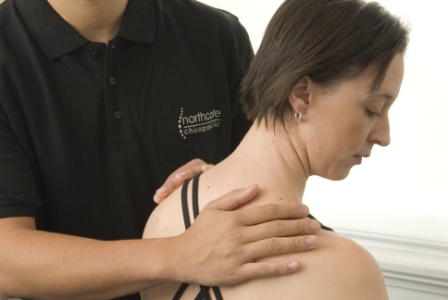
Essendon chiropractic care focused on assessment, diagnosis, manual treatment, soft tissue work, ergonomic advice and tailored rehabilitation.
No contracts or payment plans. Same day care.
Do you suffer from back pain or need relief from muscle or nerve pain? Pain from sitting at a computer or device for too long, an injury from your exercise, travel or work?
At Essendon Health and Sports Centre we have 3 highly experienced chiropractors who will diagnosis and treat the underlying cause of a problem as well as providing relief from your pain. Our Essendon chiropractors have been providing quality chiropractic care to the community for over 35 years. Call us for relief from your headache, neck and lower back pain. We are open for early morning, later evening and Saturday mornings to cater for busy schedules. Call 9370 8266 or book online.
We look forward to seeing you soon!
Practical care and support for pain relief, movement, strength and everyday function.
Essendon chiropractic care focused on assessment, diagnosis, manual treatment, soft tissue work, ergonomic advice and tailored rehabilitation.
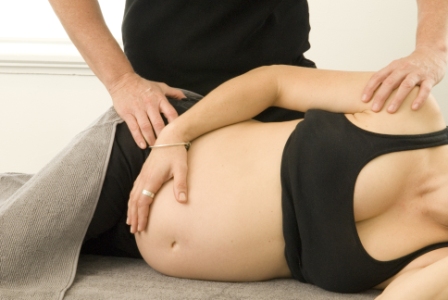
Pregnancy chiropractic care that considers trimester-specific body changes, using spinal care, soft tissue treatment and tailored exercise guidance.
Tailored rehabilitation programs designed to support core strength, posture, movement control and recovery from acute or chronic injuries.
Care for common concerns
Choose a suitable appointment time through our secure online booking system.
Visit or call
For appointments, questions or same day care, contact the Essendon Health and Sports Centre team.