
Rest for Back Health: Why Recovery Makes You Stronger
Rest and Recovery: Why the Strongest Bodies Prioritise Rest
We’ve all done it—pushed through tiredness, soreness, or stiffness because stopping felt like falling behind. But the truth is far more empowering. Rest and recovery are not signs of weakness; they are the foundation of long-term strength, resilience, and clarity, especially after 50.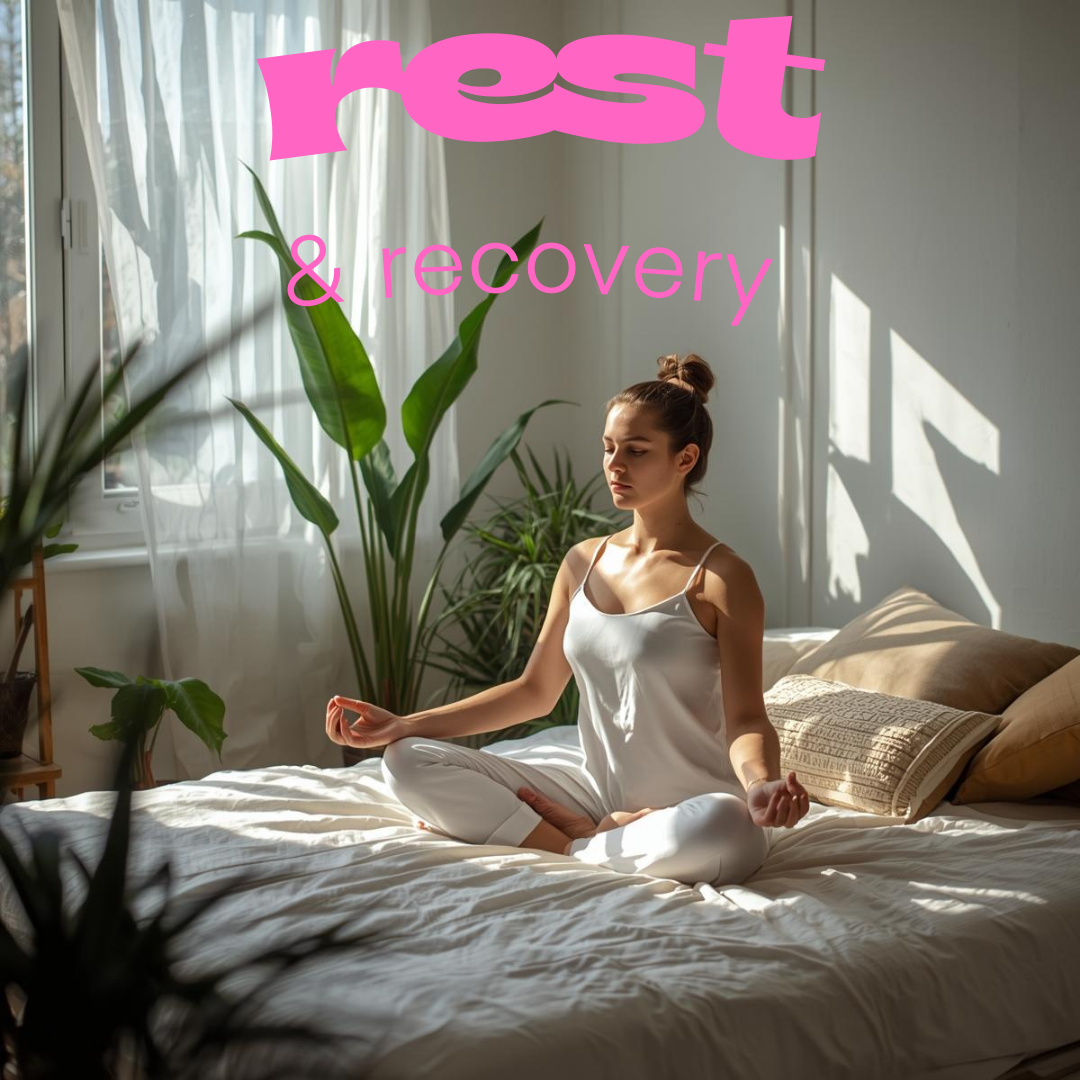
If you want to move well, protect your spine, avoid injury, and stay active for decades to come, understanding the physiology of rest is one of the most important steps you can take.
1. Why Rest and Recovery Are the Missing Link in Spine and Body Health
Most people believe strength comes from training, working hard, pushing, grinding, or “being disciplined.”
But there’s a biological truth that every high performer eventually discovers:
Your body only adapts, rebuilds, and restores itself during rest—not during effort.
During your workday, exercise sessions, or physical stress, your body is breaking tissue down. That's normal. But the rebuilding—the creation of stronger muscle fibres, healthier discs, better coordinated nerves, improved cardiovascular efficiency, and calmer inflammation—happens when you rest.
Here’s the problem:
Many adults over 50 run their bodies like unpaid workers—always “on,” always doing, always pushing through tiredness. Over time, that leads to:
- Slower tissue healing
- Increased back and neck tightness
- Higher stress hormones
- Shallow sleep
- More pain after simple activities
- Depleted energy
If you feel stiff in the morning, tired in the afternoon, or mentally overloaded, it’s often not that your training or life is too hard—
it’s that your recovery is too low.
2. The Parasympathetic System: Your Built-In Repair Mode
Your autonomic (unconscious) nervous system has two modes that regulate bodily functions such as heart rate, blood pressure, digestion and temperature.
- Sympathetic – “go mode,” stress, alertness, readiness - Think work, deadlines, busy.
- Parasympathetic – “rest, repair, digest, heal” - Think weekends, holidays, relax.
People who feel constantly tight, sore, or fatigued almost always spend too much time in sympathetic mode.
You may recognise this pattern:
- Rushed mornings
- Too much caffeine
- Long workdays
- Late-night scrolling
- High effort exercise but poor sleep
- Waking up tired
- Feeling tight even after stretching
This isn’t age—it's an imbalance.
The parasympathetic system is activated by slow breathing, deep sleep, stillness, light movement, safety, warmth, digestion, and relaxation. It’s literally the only state where your tissues regenerate.
When patients commit to improving parasympathetic tone, the changes are remarkable:
- Better sleep quality
- More consistent energy
- Fewer flare-ups of back or neck pain
- Less morning stiffness
- Better mood
- Faster recovery from exercise
- More stable strength
This is why rest and recovery aren’t optional—they’re a performance tool.
3. Three Daily Actions to Build Strength Through Rest and Recovery
You don’t need long naps or spa weekends (though they’re nice). You need small daily recovery habits, done consistently. Here are the three most powerful.
Action 1: Protect Your Sleep Window (Sleep Is Free Medicine)
Sleep is where:
- growth hormone is released mainly during deep slow wave sleep
- tissues repair
- the brain detoxifies using the glymphatic system (disengaged during waking hours)
- the immune system resets
- inflammation reduces
- the spine rehydrates
If you want less stiffness, better balance, faster healing, and a calmer mind, your sleep window is non-negotiable.
Aim for 7.5–8.5 hours in bed, not “sleep time.”
Avoid screens 60 minutes before bed and keep the room cool and dark.
Most people underestimate sleep until they improve it—then wonder how they ever survived before.
Action 2: Build “Mini Recovery Gaps” Into Your Day
Your brain and body are not designed for continuous output.
Every 60–90 minutes, take a 2–3 minute break to:
- Stand and breathe
- Walk 20–30 steps
- Stretch your chest
- Roll your shoulders
- Take five slow nasal breaths - emphasize a slow exhalation phase
These short moments bring your nervous system out of sympathetic mode and back into balance. They prevent afternoon crashes, morning stiffness, and the accumulation of tightness that many people blame on “age.”
Action 3: One Daily Ritual That Activates Deep Recovery
Choose one:
- a warm shower before bed
- 5 minutes of slow belly breathing
- gentle stretching
- light evening walk
- a cup of herbal tea
- sitting outside for 3 minutes of quiet
- meditation
- reading a book instead of screen time
This ritual is like flipping the “parasympathetic switch.”
Done nightly, it’s one of the quickest ways to improve energy and reduce pain.
Final Thoughts: Rest Is the New Strength
High performers often believe:
“If I stop, I’ll fall behind.”
But in reality, you can’t outwork a tired body.
You rebuild strength when you rest.
You reduce pain when you rest.
You become resilient when you rest.

