
How Can I Get Instant Relief for Back Pain? Fast, Safe Strategies That Actually Work
How do I get instant relief for back pain?
Most back pain can be eased quickly by calming irritated tissues, restoring gentle movement, and reducing muscle guarding.
The fastest relief usually comes from a combination of heat, light movement, position changes, and targeted care—not complete rest.
How can I get instant relief for my back pain?
When your back flares up, you don’t care about theory.
You want relief. Fast.
The good news?
Most acute back pain responds well to simple strategies that calm the nervous system and reduce protective muscle tension.
The goal is not to “fix” everything instantly.
It’s to reduce sensitivity and restore comfort quickly.
Should I use heat or ice for back pain?
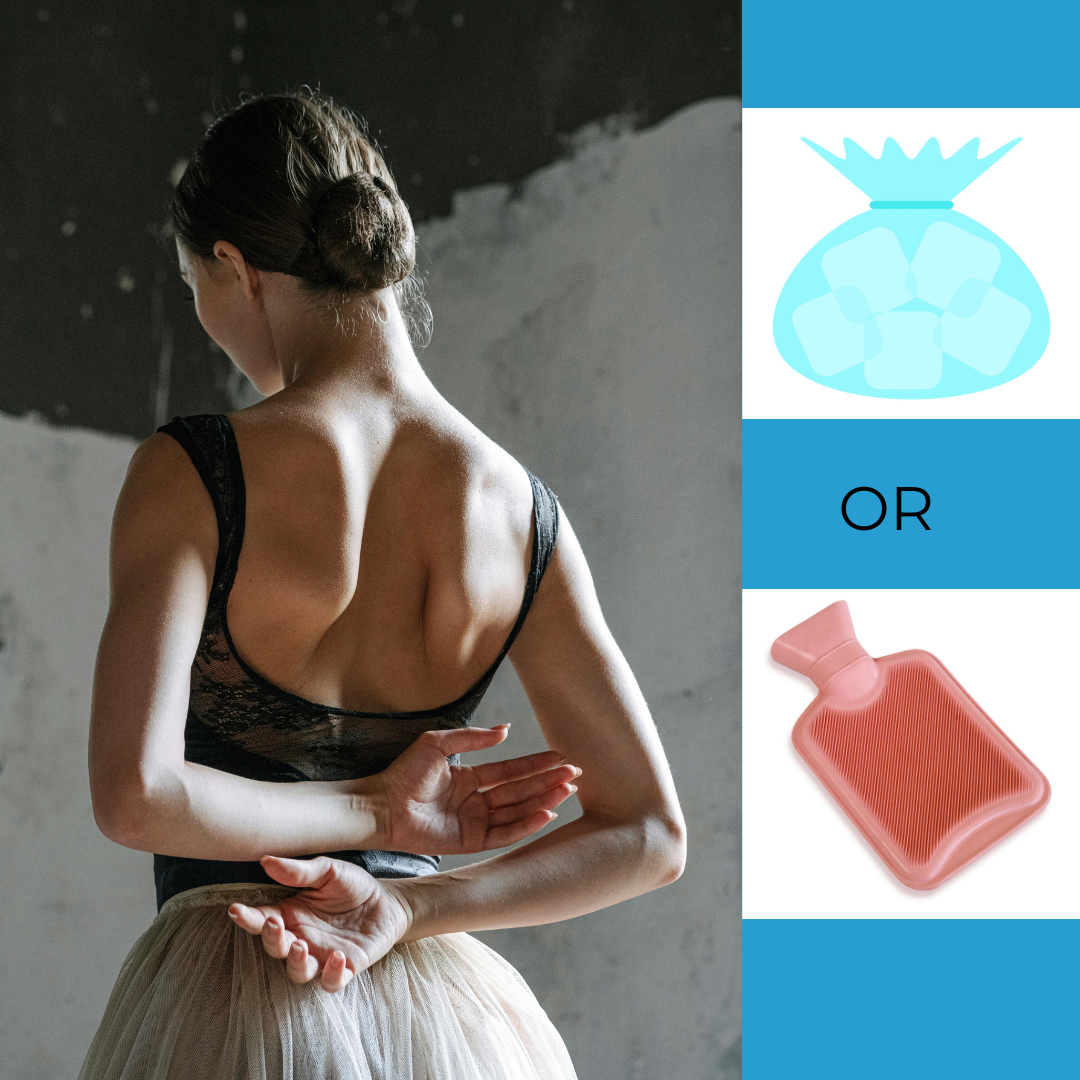
Both can work.
The right choice depends on how your back feels.
Heat is usually best for chronic injuries:
-
Muscle tightness
-
Stiffness
-
Aching pain
-
Morning soreness
Heat:
-
Improves circulation bringing more blood to the area due to vasodilation (blood vessel widening)
-
Relaxes muscle guarding/spasm
-
Feels soothing
Use for 15–20 minutes at a time. Safest not to use it for 48 hours after an acute injury
Ice is usually best for acute injuries:
-
Recent flare-ups - best for the first 48 hours to calm the injury down
-
Sharp, inflammatory pain
-
After aggravating activity
Ice:
-
Reduces inflammation
-
Numbs sensitivity
-
Calms irritated tissues
Use for 10–15 minutes with a cloth barrier.
Key point:
Ice for 48 hours then heat is the safest way to go
What is the fastest position to relieve back pain?
Certain positions reduce spinal load quickly.
Common relief positions include:
-
Lying on your back with knees supported by pillows
-
Lying on your side with a pillow between knees
-
Gentle child’s pose stretch (if comfortable)
-
Standing and gently leaning backward (if flexion hurts)
The right position depends on your pain pattern.
Rule:
If pain reduces within 60–90 seconds, that position is helping.
Are there specific exercises that give quick relief?
Yes—but they must match your pain type.
Gentle extension movements (if bending forward hurts):
-
Lie on your stomach.
-
Gently prop onto elbows.
-
Breathe and hold 10–20 seconds.
-
Repeat 5–8 times.
Gentle flexion movements (if standing upright hurts):
-
Lie on your back.
-
Bring one knee toward chest. Or try going side to side.
-
Try a combination of the 2 exercises
-
Hold briefly and repeat. Remain lying fo rup to 15 minutes
Walking:
One of the most underrated instant relief tools.
-
Improves circulation
-
Reduces stiffness
-
Calms the nervous system
Start with 5–10 minutes. Do not go far from home in case of a poor reaction.
Key point:
Relief exercises should reduce symptoms—not increase them.
Can medication give instant relief for back pain?
Medication can help reduce symptoms short-term.
Common options include:
-
Paracetamol
-
Anti-inflammatory medications (if appropriate for you - consult your health professional)
-
Short-term muscle relaxants (under medical guidance)
Medication does not fix the cause.
It reduces pain sensitivity.
Always consult your GP or pharmacist before use, especially if:
-
You have stomach, kidney, or heart conditions
-
You take other medications
-
You are over 65
Medication is a tool—not the whole solution.
Can chiropractic adjustments give instant relief for back pain?
Often, yes.
When joint stiffness and muscle guarding are driving pain, restoring normal motion can:
-
Reduce protective spasm
-
Improve mobility
-
Decrease nerve sensitivity
-
Increase confidence quickly
Some patients feel immediate change.
Others feel gradual improvement over several visits.
The key is matching treatment to your pain pattern.
Why does pain sometimes drop quickly after simple changes?
Pain is strongly influenced by the nervous system.
When you:
-
Reduce threat
-
Improve movement
-
Relax muscle tension
-
Improve blood flow
The nervous system lowers its “alarm level.”
Pain decreases—not because damage vanished, but because sensitivity reduced.
Key point:
Instant relief usually means sensitivity dropped—not that something was “put back in.”
What should I avoid during a flare-up?
Avoid:
-
Prolonged bed rest
-
Sitting for long periods
-
Sudden heavy lifting
-
Repeated painful movements
Avoiding all movement is not helpful.
Modify load—not life.
What if nothing gives instant relief for back pain?
If pain:
-
Is severe and unrelenting
-
Radiates progressively down the leg
-
Causes weakness
-
Is associated with fever or illness
-
Affects bladder or bowel control
Seek medical attention promptly.
Otherwise, most flare-ups improve within days when:
-
Movement is restored
-
Load is managed
-
Fear is reduced
The Real Secret to Fast Relief
Instant relief is helpful.
But lasting relief requires:
-
Restoring joint motion
-
Improving muscle support
-
Gradually increasing load tolerance
-
Reducing fear around movement
Quick comfort + smart recovery plan = real progress.
FAQ
Does heat or ice work better for back pain?
Heat is typically better for stiffness and muscle tightness, while ice may help during acute inflammatory flare-ups. The most important guide is comfort—use whichever reduces your pain within 10–15 minutes.
What is the fastest exercise for back pain relief?
Gentle spinal movements that match your pain pattern often provide quick relief. For some, extension movements help. For others, gentle knee-to-chest flexion movements work best. Walking is also highly effective for reducing stiffness.
Can chiropractic adjustments give immediate relief?
Yes, particularly when joint restriction and muscle guarding are contributing to pain. Restoring motion can reduce protective tension and calm the nervous system, often producing noticeable short-term relief.
Should I take medication for back pain?
Medication can reduce pain sensitivity short-term but does not correct underlying movement issues. It should be used cautiously and under medical guidance, especially in older adults or those with other health conditions.
How long should a back pain flare-up last?
Most acute flare-ups improve within several days to a few weeks when managed appropriately. If pain worsens, spreads with weakness, or does not improve over time, further assessment is recommended.
One Clear Action
Book a spinal assessment at Essendon Health and Sports Centre to identify the fastest and safest way to calm your back pain and prevent the next flare-up.

