
Prevent Back Pain: Why Feeling Good Isn’t the Finish Line
Prevent Back Pain: Why Feeling Good Isn’t the Finish Line
Prevent back pain? If pain is gone, the problem must be gone too… right? 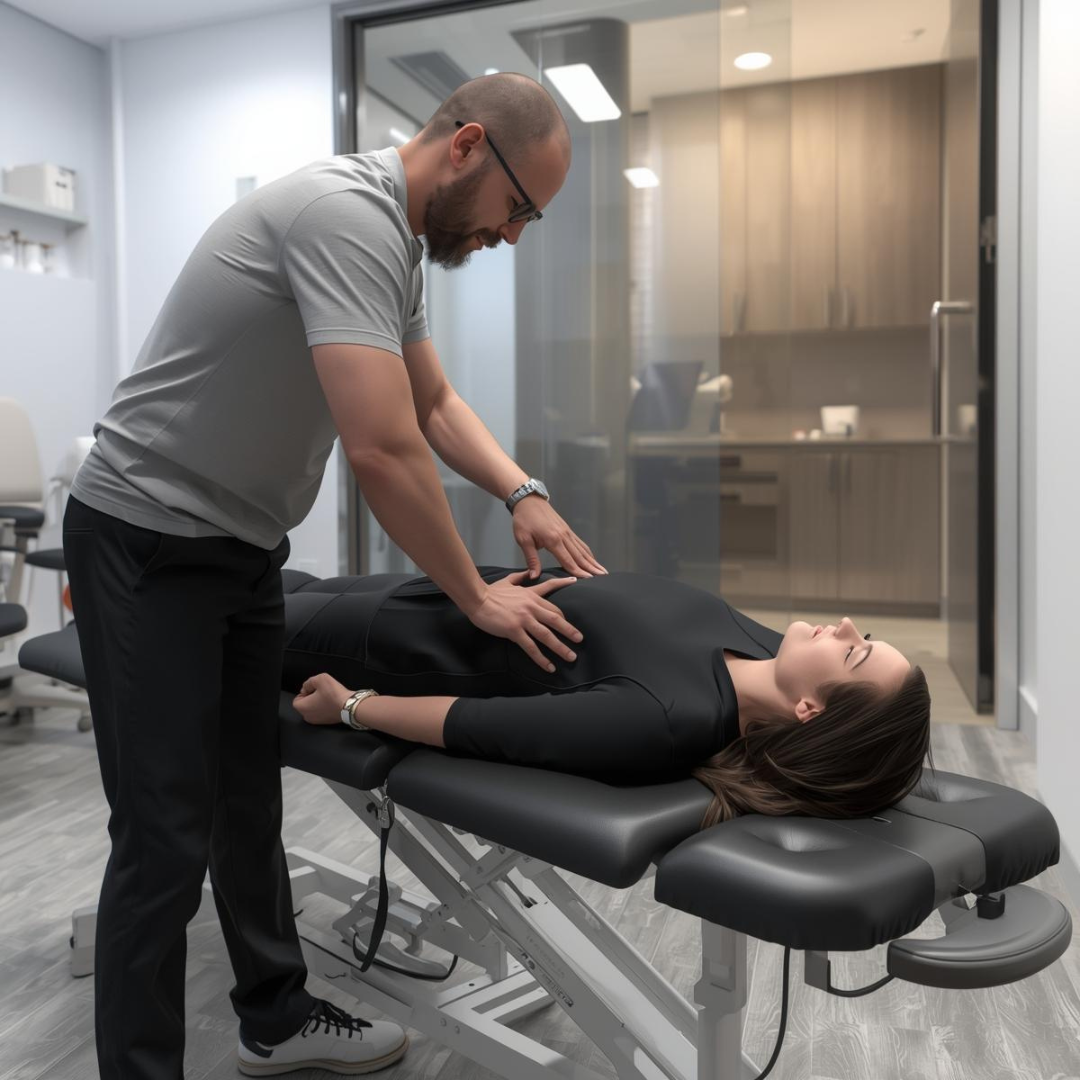
Not quite.
One of the biggest misconceptions in health care is that pain equals damage — and no pain equals safety.
In reality, pain is often the last thing to show up — and the first thing people wait for.
If you want to prevent back pain long-term, understanding this difference changes everything.
Pain Is a Late Warning Signal
Pain doesn’t appear when something starts going wrong.
It appears when:
• Tissues are overloaded
• Movement options reduce
• Muscles fatigue
• Joints lose tolerance
• The nervous system becomes protective
By the time pain shows up, the issue has usually been building quietly for weeks, months, or even years.
Which means waiting for pain is waiting too long.
Why “I’ll Come Back If It Hurts” Feels Logical
People don’t avoid care because they don’t care.
They avoid it because:
• Pain is gone
• Life feels busy
• Things seem “fine”
• Other priorities take over
And for a while… it works.
Until:
• The same spot flares again
• The recovery takes longer
• The pain feels sharper
• Confidence drops
This is the cycle preventative care is designed to stop.
Understand the Gap Between Pain and Function
Prevent Back Pain by Maintaining Function, Not Chasing Symptoms
Pain measures discomfort — not capacity.
You can be pain-free and still have:
• Reduced joint movement
• Poor posture endurance
• Muscle imbalances
• Weak stabilisers
• Nervous system guarding
These don’t hurt… yet.
But they quietly set the stage for recurrence.
If your goal is to prevent back pain, function matters more than how you feel on one good day.
ACTION STEP 2 — Why Preventative Care Works So Well
Prevent Back Pain by Staying Ahead of Flare-Ups
Preventative care focuses on:
• Maintaining joint motion
• Supporting posture control
• Reinforcing movement patterns
• Reducing cumulative load
• Catching issues early
Think of it like servicing your car:
You don’t wait for the engine to seize before acting.
The tag on the windscreen says a date or a number of kilometres and you book the car in accordingly. Or run the known risks and are unsurprised to be calling Roadside Assist.
Bodies work the same way.
People who stay consistent with care don’t just recover faster — they flare less often and trust their body more.
ACTION STEP 3 — Mobility Maintenance Is the Missing Habit
Prevent Back Pain with Simple, Consistent Maintenance
Prevention doesn’t require intensity.
It requires:
• Regular check-ins
• Ongoing mobility
• Strength support
• Daily spinal hygiene
• A long-term mindset
Five minutes a day beats one big reaction every six months.
The strongest backs aren’t the ones that never hurt — they’re the ones that recover quickly because they never stop being supported.
Don’t Wait for Pain to Make the Decision
Pain relief feels good.
But prevention feels powerful.
It means:
• Fewer disruptions
• More confidence
• Faster recovery
• Better movement
• Long-term trust in your body
👉 If you’re pain-free right now, that’s the best time to protect your spine — not ignore it.

